
Vocabulary Activities for Kids Using Everyday Conversations
Vocabulary Activities for Kids Using Everyday Conversations becomes much easier when adults focus on one teachable step at a time. Teach useful words through rich conversation and repeated use. The goal is not to rush a child through a checklist, but to create enough successful practice for the skill to become familiar and useful.
Start with a clear, manageable goal
Decide what the child should be able to do by the end of the session. Keep the target specific and observable. Explain it in child-friendly language, model it once, and invite the child to try with support. A focused ten- to fifteen-minute lesson is usually more productive than a long session filled with several unrelated skills.
Model the thinking, not only the answer
Children learn more when they can hear how a capable reader or writer thinks. Work through one example aloud. Point to the relevant letters, words or ideas, explain the choice you make, and then complete a second example together. This guided step shows the process that a completed answer alone cannot reveal.
As you practise this skill, Sight-word flash cards can provide useful hands-on support. Practise high-frequency words after mapping their sounds. Use it to support the lesson rather than replace conversation and guided practice.
Try this practical activity
Choose one interesting word from a book and use it in three new contexts. Keep the materials simple and let the child explain what they are doing. Conversation helps you notice whether the skill is understood or merely copied. If the task becomes difficult, reduce the amount, return to a model and allow another supported attempt.
Literacy for Kids Book Pick
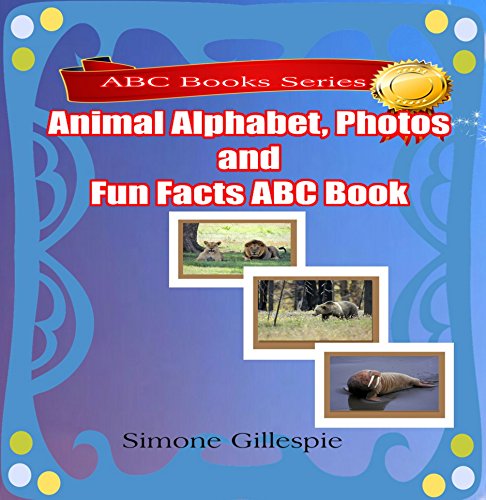
Animal Alphabet, Photos and Fun Facts ABC Book
Real animal photographs and interesting facts give children a meaningful reason to talk about letters and new words. After “Vocabulary Activities for Kids Using Everyday Conversations,” use the book to extend alphabet knowledge and vocabulary through conversation.
Watch for this common mistake
Giving dictionary definitions without examples or discussion. Instead, pay attention to the child’s response and adjust the level of help. Correct one important point at a time, preserve the child’s confidence and finish with something they can do successfully.
How to know the practice is working
Look for steady evidence rather than perfection after one lesson. The child should need fewer prompts, explain the idea more clearly and use the skill in a new example. Keep a brief note of what was easy, what caused hesitation and what to revisit next time. This gives you a more useful picture than a score alone.
If your child needs another way to work with the idea, consider Moveable letter tiles. Build, compare and correct words without rewriting every attempt. Introduce it during a short session and model how it connects to the activity.
A simple routine to repeat
Begin with a quick review, model one example, practise together, allow a short independent try and end with a recap. Repeating this predictable sequence reduces anxiety and saves preparation time. Once the child is secure, vary the words, texts or writing topic so the learning transfers beyond a single worksheet.
Adjust the lesson to the child in front of you
Children do not all need the same amount of modelling or practice with vocabulary activities for kids. If the child answers quickly but cannot explain the thinking, slow down and ask for a demonstration. If the child understands orally but struggles on paper, reduce the writing load while keeping the literacy goal. If frustration appears, return to an easier example and rebuild success before increasing difficulty.
Literacy for Kids Book Pick
Animal Alphabet, Photos and Fun Facts ABC Book
Turn the ideas in “Vocabulary Activities for Kids Using Everyday Conversations” into relaxed alphabet and vocabulary practice. Children can connect letters with memorable animals, study the photographs and discuss the facts in their own words.
Final reminder
Progress in literacy is built through clear teaching, meaningful practice and patience. Keep the lesson short enough to remain positive, notice genuine improvement and return to the next small step consistently.
For continued practice, Children’s dictionary can complement the approach in this article. Check spelling, pronunciation and the meaning that fits the sentence. Choose it when it matches the child’s present learning need.
Helpful Amazon Picks for Vocabulary Activities for Kids Using Everyday Conversations
These tools support the activity in this article. Choose only what fits your child’s current needs and the way you plan to practise.
- Sight-word flash cards — practise high-frequency words after mapping their sounds.
- Moveable letter tiles — build, compare and correct words without rewriting every attempt.
- Children’s dictionary — check spelling, pronunciation and the meaning that fits the sentence.
As an Amazon Associate, Literacy for Kids may earn from qualifying purchases.